
Cargo Safety in Dry Freight Transport
Core standards for packaging strength, weight distribution, moisture control and shipment records.
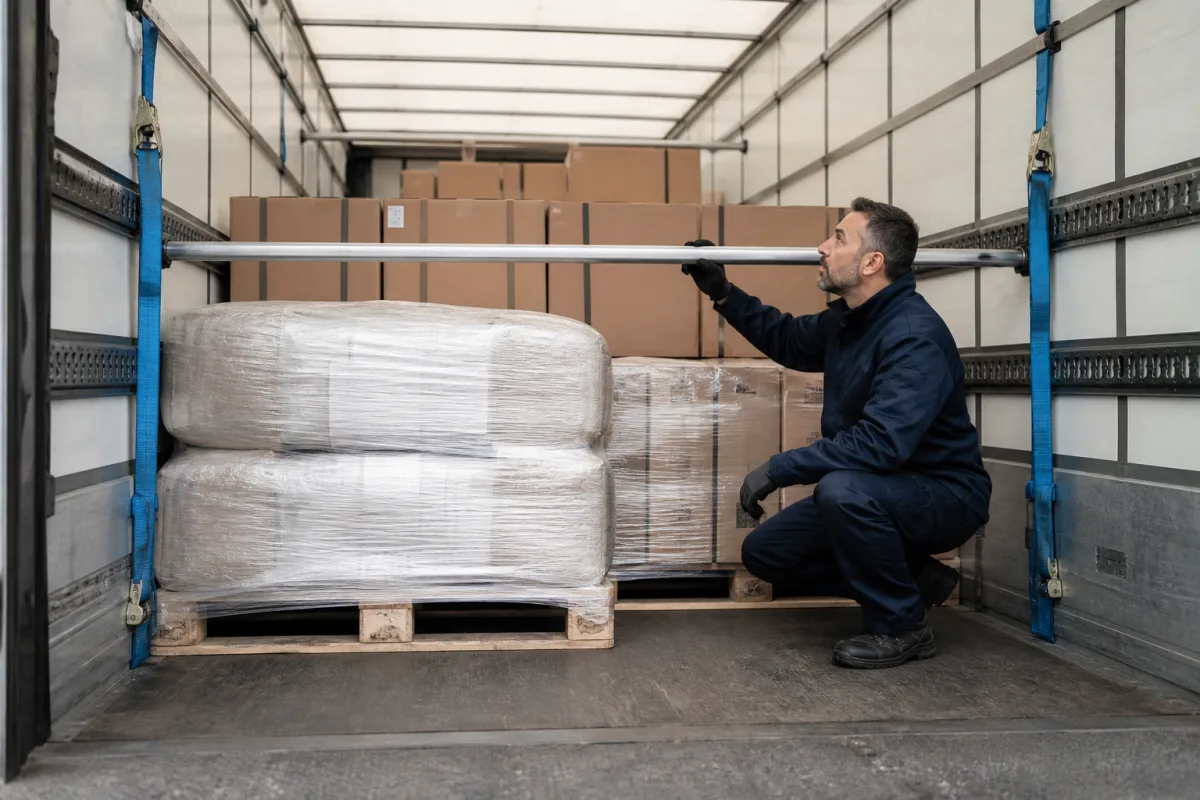
Dry freight safety relies on suitable packaging, balanced axle loads, controlled voids, moisture protection and documented handover.
Why does proper planning matter?
Transport is more than moving items between two points. Cargo type, building access, distance, time window and protection requirements must meet in one operating plan. Accurate early information helps match vehicle capacity, crew size and equipment to the real need.
Practical steps
- 1
Verify stacking and transport strength of packaging.
- 2
Place heavy cargo low and balance axle loads.
- 3
Control voids with blocks, barriers or dunnage.
- 4
Use a dry vehicle and protective layer for moisture-sensitive cargo.
- 5
Retain seal, photo and delivery records.
Information to share before a quote
- Origin and destination, floors and lift access
- Inventory, approximate volume and fragile items
- Parking access, carry distance and building hours
- Preferred date window and delivery priorities
- Packing, disassembly/reassembly or specialist equipment
Photo and video information is fast; for complex access or specialist cargo, an on-site survey identifies operational risk more accurately. We finalise the plan after validating cargo and address conditions.
Conclusion
Dry freight safety relies on suitable packaging, balanced axle loads, controlled voids, moisture protection and documented handover. Confirming the scope in writing reduces uncertainty on moving day and keeps everyone working from the same plan.